Insuring a Metal Building (Wind, Hail & Windstorm)
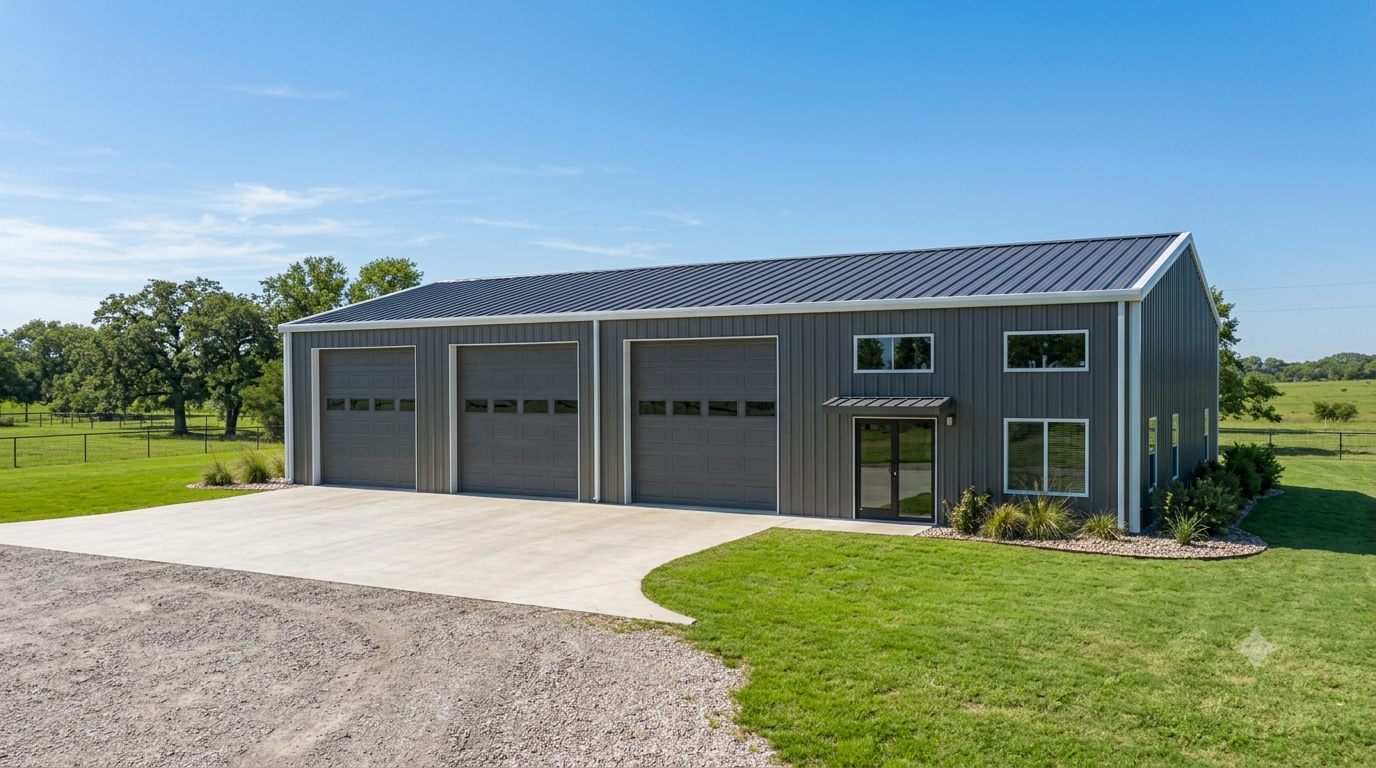
Steel insures well
Metal buildings are non-combustible and durable, which insurers like. The main Texas exposures are wind and hail, not fire — and that's exactly where coverage and construction quality intersect.
The coastal catch: TWIA + WPI-8
In the 14 first-tier coastal counties (and part of Harris), wind/hail coverage often runs through the Texas Windstorm Insurance Association (TWIA), and a building must be engineered and inspected to earn a WPI-8 certificate to be insurable. No certification can mean no wind coverage. See the WPI-8 guide.
Hail matters statewide
Texas is hail country. Heavier-gauge roof panels and a well-built roof reduce damage and can affect claims. It's worth spec'ing panels with hail in mind, especially in North and Central Texas.
Talk to your agent early
Confirm what your insurer needs before you build — engineered plans, certification, and photos. It's far easier than retrofitting for coverage later.
Frequently asked questions
- Can you insure a metal building in Texas?
- Yes. Steel buildings are readily insured; the key Texas exposures are wind and hail. On the coast, coverage typically requires windstorm (WPI-8) certification through or alongside TWIA.
- Does a metal building need windstorm certification to be insured?
- In TDI-designated coastal catastrophe areas, effectively yes — a WPI-8 certificate is what makes the structure insurable for wind. Inland, standard property coverage applies without it.
Advertising disclosure: we may earn a referral fee if you request a quote through this link. It never changes your price.How we make money